
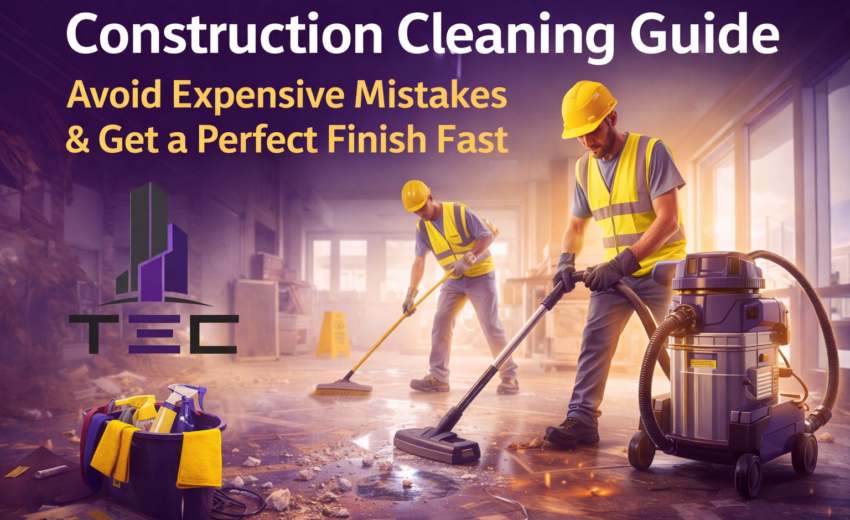
Construction cleaning is an essential task that many overlook. After all, building a structure, whether a home or a commercial space, creates a lot of mess. Dust, debris, and leftover materials can be overwhelming. However, with the right cleaning approach, you can avoid expensive mistakes and achieve a perfect finish for the space. This comprehensive guide will walk you through the best post-construction cleaning methods and offer valuable tips to avoid common construction cleaning mistakes.
Common Construction Cleaning Mistakes—and How to Avoid Them
Construction cleaning is one of the most essential yet often overlooked tasks. Many people rush through the cleaning process, leading to costly mistakes and an incomplete finish. Here’s a guide to help you avoid those mistakes and achieve a perfect finish without spending extra time or money.
1. Underestimating the Scope of Construction Cleaning
A major mistake in post-construction cleaning is underestimating the amount of debris and dust that needs to be cleaned. People often believe they’ve cleared enough, only to realize that construction debris removal is more extensive than expected. The entire site needs a deep clean, including hard-to-reach areas like corners, vents, and behind large furniture. This is where post-construction dust removal comes into play, ensuring that dust doesn’t linger and affect the air quality.
2. Using Incorrect Cleaning Products and Equipment
Using the wrong cleaning supplies for construction sites is another common mistake. Regular cleaning products are not designed to tackle tough stains, cement dust, or paint splatters. This can lead to poor cleaning results and, in some cases, damage to the surfaces you’re trying to clean. Instead, investing in specialized cleaning tools, such as industrial vacuums and floor buffers, will save you time and effort. These tools are designed to handle the unique mess left by construction.
3. Rushing the Cleaning Process
When people rush through the cleaning process, they often miss key areas that need attention. Skipping important steps or areas, such as window sills, baseboards, or ventilation systems, can lead to the need for re-cleaning. This adds extra costs and time to the project. To avoid this, make sure you have a cleaning checklist for new buildings and follow it meticulously, leaving no spot untouched.
4. Not Planning for Multiple Cleaning Phases
Post-construction cleaning is a multi-phase process. It’s not just about sweeping the floors or wiping down surfaces. The cleaning process is divided into three major phases: rough cleaning, fine cleaning, and final cleaning. Each phase is equally important and should be completed in order. Missing one phase can leave construction debris behind, compromising the cleanliness and safety of the space. So, make sure to plan for all three phases to ensure a thorough clean.
5. Failing to Communicate with the Construction Crew
One often overlooked aspect of post-construction cleaning is the lack of communication between the cleaning crew and the construction team. Misunderstandings can lead to uncompleted tasks or missed areas. Clear communication ensures that the team understands where the cleaning is most needed and whether special attention is required. By keeping everyone on the same page, you can avoid confusion and prevent delays in the cleaning process.
By avoiding these common mistakes, you can ensure that your post-construction cleaning is effective and thorough. Whether it’s construction debris removal, using the right tools, or communicating effectively, every step plays a vital role in achieving a clean, safe, and presentable space. Proper planning, the right equipment, and a focus on detail will guarantee a perfect finish in no time.
Why Construction Cleaning Is Different
Construction cleaning is not the same as your regular house cleaning routine. The mess left behind after construction can be substantial. From construction debris to the fine dust that gets into every crack and crevice, a regular mop and broom won’t be enough. Instead, you need a detailed plan to effectively remove construction dust.
Not only does the cleaning process need to address visible messes, but it must also ensure that hidden construction-site mess is addressed. Many areas are overlooked, especially when debris gets into ventilation systems or corners behind furniture. What makes post-construction cleaning even more challenging is the variety of materials you’ll need to clean up.
The cleaning process after renovation or construction can involve removing paint stains, cement dust, and sawdust. Each type of debris requires different cleaning techniques and tools. For instance, removing cement dust from floors requires specialized cleaning tools for tough stains, while dusting surfaces may require high-powered vacuums to avoid spreading dust.
Read More: When Tarbela Dam Was Constructed – Shocking Struggles & Triumph in 2026
How to Construct 75 Degree Angle With Compass
The Hidden Risk of Re-Cleans
Many contractors and cleaning crews make the mistake of rushing through the cleaning process, thinking they’ve covered all areas. However, this often necessitates a re-clean. A re-clean can be costly and time-consuming, especially when certain hidden cleaning areas have been missed. Areas such as behind large furniture, baseboards, or deep corners are easily overlooked.
How to clean after construction requires attention to every detail. To prevent re-cleaning, always perform a thorough inspection at the end of the cleaning job. It’s also essential to have a final cleaning checklist to ensure nothing is missed. How to avoid re-cleaning after construction is simple: take your time and double-check everything.
Start by cleaning the most difficult areas first, like windows and ceilings. This way, you won’t risk pushing dust or debris onto newly cleaned surfaces. Be meticulous with your work and keep a checklist of tasks. If your team gets into the habit of double-checking, you’ll avoid unnecessary costs and delays from missed cleaning tasks.
Pricing: Square Foot vs. Hourly
When it comes to construction cleaning pricing models, the two most common options are square-foot pricing and hourly rates. Square-foot pricing is ideal for larger projects because it offers a fixed cost per square foot for the building. This method provides a predictable cost for cleaning a certain area. Construction cleaning services in Pakistan often use this model, especially for big homes or commercial spaces.
On the other hand, hourly pricing works best for smaller spaces or unpredictable cleaning needs. Hourly rates are typically used when the scope of the work isn’t clear. It allows the contractor to charge for the time spent on the project, rather than the size of the area being cleaned. For smaller projects, hourly pricing can often work out cheaper because you only pay for the time spent cleaning. However, for larger, more complex sites, square-foot pricing tends to be more cost-effective.
Understanding Cleaning Phases and Scope of Work
The cleaning process is typically divided into three phases: rough cleaning, fine cleaning, and final cleaning. Each phase focuses on a different aspect of construction site cleanliness and ensures that the space is thoroughly cleaned. Rough cleaning involves removing large debris, such as wood scraps, nails, and other leftover construction materials. This phase often requires heavy-duty equipment and workers who can safely manage the mess.
Once the large debris is cleared, the space is ready for the fine cleaning phase, which includes sweeping, mopping, and scrubbing surfaces to remove dust, stains, and dirt. Finally, the final clean focuses on making the space ready for occupancy, ensuring all hidden construction site mess is removed, and surfaces are spotless. The cleaning phases in construction are essential because skipping any one of them could leave the space looking incomplete. Completing each phase thoroughly ensures the building is in its best condition, both visually and functionally.
Site Requirements That Must Be Confirmed
Before starting Construction cleaning, it’s vital to confirm the site requirements. This includes ensuring that the site is accessible, safe, and ready for cleaning. If there are construction safety protocols to be followed, they should be confirmed before any cleaning begins. Furthermore, you should verify that all necessary equipment for construction clean-up is available on-site and in good condition.
In addition to safety and equipment, access to the building is crucial. Ensure that your cleaning team can move freely and safely around the site. In some cases, you may need specialized equipment to clean hard-to-reach areas, such as ceilings or windows. Post-construction debris disposal should also be organized in advance to avoid any logistical issues during the cleaning process.
Choosing the Right Equipment
When it comes to post-construction cleaning, choosing the right equipment can significantly improve the efficiency and effectiveness of the process. Using the wrong tools can lead to unsatisfactory results, wasted time, and additional costs. Here are some key equipment options to consider when tackling a construction cleaning project:
- Industrial Vacuum Cleaners: Essential for removing fine dust and debris from floors, walls, and hard-to-reach areas.
- Floor Scrubbers: Perfect for polishing hard floors and removing stubborn grime and stains.
- High-Powered Pressure Washers: Useful for cleaning exterior surfaces, including walls, windows, and pavements, especially after heavy construction.
- Squeegees and Window Scrapers: For removing paint splatters and stains from windows and glass surfaces.
- Dust Mops and Brooms: Help sweep large areas and pick up smaller debris that may be missed by vacuums.
- Wet/Dry Vacuums: Ideal for cleaning up liquids, wet construction materials, and dust simultaneously.
- Paint Removal Tools: Specially designed for removing paint or glue stains from floors, windows, and surfaces.
- Pressure Sprayers: Great for applying cleaning solutions to surfaces or for washing large areas, such as ceilings and walls.
By choosing the right construction site cleaning tools, you’ll ensure that the post-construction cleaning process is thorough and effective. Using specialized equipment will save time, reduce effort, and provide better results.
Communication Is Critical
Clear communication between all parties involved is essential during construction cleaning. This includes construction crews, cleaning teams, and clients. By keeping everyone on the same page, you can avoid misunderstandings and ensure that the project progresses smoothly.
In particular, it’s important to clearly define cleaning tasks before handing over a building. If the construction team has left certain areas unfinished or if special cleaning is required, make sure these details are communicated in advance. Effective communication reduces delays, ensures everyone is aware of their responsibilities, and guarantees the cleaning process goes as planned.
Documentation Protects Your Business
Documentation is an important aspect of construction cleaning. Keeping detailed records of the work done not only protects your business but also builds trust with clients. Take photos of the areas before and after cleaning, as this can serve as proof of the work completed. Moreover, a well-documented report of the cleaning process can help resolve any disputes that may arise later.
Having a final cleaning checklist that’s signed off by both parties (construction and cleaning teams) ensures that nothing is missed. Proper documentation also helps you keep track of the cost of construction cleaning services, ensuring transparency in your billing process.
Why Construction Cleaning Is Important
Construction cleaning is crucial because it not only enhances the property’s appearance but also ensures a safe, healthy environment for new occupants. Post-construction dust removal is especially important because dust can affect air quality and cause respiratory issues. Moreover, leaving debris behind can lead to accidents, especially when heavy objects or sharp materials are scattered across the site.
The importance of construction cleaning extends beyond just aesthetics. A well-cleaned site helps extend the lifespan of building materials and ensures that all surfaces remain in good condition. This also makes the property safer for people moving in or working there.
The Three Phases of Construction Cleaning
Post-construction cleaning is a detailed and multi-step process. It involves three distinct phases that ensure the building is spotless, safe, and ready for occupancy. Here is a breakdown of each phase to help you understand how to approach construction cleaning effectively.
1. Rough Cleaning: The Initial Cleanup
The first phase of post-construction cleaning is the rough clean. This phase focuses on removing large debris and construction waste from the site. It includes items such as leftover wood, nails, and drywall scraps left behind after construction. It’s the foundation of the cleaning process, allowing for a safer work environment for the next steps.
During this phase, workers typically use heavy-duty tools, such as industrial vacuums and brooms, to clear large amounts of debris. It’s important to handle construction debris removal properly, as this stage sets the tone for the more detailed cleaning to follow.
2. Fine Cleaning: Detailing the Surfaces
Once the rough cleaning is done, the fine cleaning phase begins. This step involves removing construction dust, dirt, and small debris that may have settled on surfaces such as floors, windowsills, and countertops. At this stage, you’ll also start focusing on cleaning doors, light fixtures, and vents.
Post-construction dust removal is a critical part of this phase, especially since dust tends to settle into the smallest cracks and crevices. Fine cleaning requires specialized tools such as dusting cloths, high-powered vacuums, and scrubbers to ensure every corner is spotless. It’s a detailed process that prepares the space for the final clean.
3. Final Cleaning: The Finishing Touches
The last phase of construction cleaning is the final clean, which ensures that the space is move-in ready. This phase involves polishing surfaces, cleaning windows, and ensuring that all floors are spotless. It’s the final check to make sure every detail is addressed before the space is handed over to the client or occupants.
The final cleaning checklist includes tasks like washing windows, wiping down surfaces, and vacuuming one last time to ensure the space looks its best. It’s essential that nothing is missed during this phase, as it gives the building its final, professional touch.
Each of the three phases in post-construction cleaning plays a vital role in ensuring the construction site cleanliness is up to standard. By following these phases, you’ll create a clean, safe, and welcoming environment for its new inhabitants.
Conclusion
In the end, construction cleaning is a crucial step in ensuring that a building is ready for its intended use. By avoiding common mistakes, understanding the cleaning phases, and choosing the right equipment, you can get the job done efficiently and cost-effectively. Whether you’re handling the cleaning yourself or hiring professional services, remember that a thorough clean is key to achieving a perfect finish. Take your time, plan carefully, and avoid rushing through the process. With the right approach, your construction cleaning project will be a success.
FAQ’s
What is the meaning of construction cleaning?
Construction cleaning refers to the process of cleaning a building site after construction or renovation to remove debris, dust, and other materials, making the space ready for use.
What are the 7 steps in the cleaning process?
The 7 steps typically include preparation, dusting, sweeping, washing, sanitizing, detailing, and final inspection to ensure thorough cleanliness and hygiene.
What are the three main types of cleaning?
The three main types of cleaning are routine cleaning, deep cleaning, and post-construction cleaning, each focusing on different levels of cleanliness and areas of a space.
What is the 20/10 rule for cleaning?
The 20/10 rule suggests focusing 20 minutes on high-priority tasks like organizing and cleaning visible areas, and spending 10 minutes on finishing touches or harder-to-reach spots.
What are the 7S of cleaning checklist?
The 7S of cleaning include Sort, Set in order, Shine, Standardize, Sustain, Safety, and Spirit — all aimed at maintaining a clean, organized, and safe environment.
What are the 5 basic cleaning principles?
The 5 basic cleaning principles are cleaning equipment, cleaning products, techniques, frequency, and safety, which help achieve effective and efficient cleaning.