
We are a professionally registered construction company delivering reliable residential, commercial, and industrial projects with quality, transparency, and expert engineering since 2019.

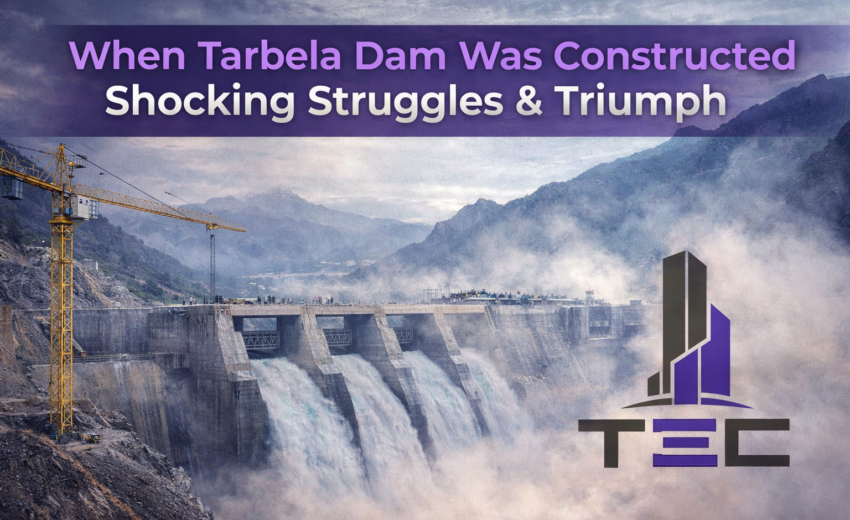
When Tarbela Dam Was Constructed marked a defining chapter in Pakistan’s history, showcasing remarkable engineering, economic planning, and national vision. Built on the powerful Indus River, the dam transformed water management, irrigation, and hydroelectric power, reflecting determination and international collaboration.
From tackling floods to addressing energy shortages, the project overcame natural and financial challenges, standing today as a symbol of resilience and foresight. Millions continue to benefit from its impact, highlighting the significance of When Tarbela Dam Was Constructed.
When Tarbela Dam Was Constructed and Why It Was Needed
The question of When Tarbela Dam Was Constructed is closely connected to the Indus Basin Treaty (1960). After water distribution agreements between Pakistan and India, the country urgently needed reliable water reservoirs. The Indus River became central to national survival, especially for agriculture.
Construction began in 1968 and reached completion in 1976. During this time, Pakistan was facing a serious water crisis and rising electricity demand. The Indus Basin Project aimed to create a stable irrigation system, ensure flood control, and expand hydroelectric development. Tarbela Dam on which river? It was built on the Indus River in Khyber Pakhtunkhwa. The Tarbela Dam construction year and the Tarbela Dam completion date represent a turning point in national infrastructure growth.
Historical Background of the Tarbela Dam Project
Tarbela Dam is one of Pakistan’s most significant infrastructure achievements. Its history reflects careful planning, international cooperation, and engineering expertise.
1. Planning and Vision Behind Tarbela Dam
The idea for the Tarbela Dam originated after the Indus Basin Treaty (1960) with India, which required Pakistan to develop large water reservoirs. WAPDA and the Government of Pakistan initiated studies to develop solutions for irrigation, flood control, and hydroelectric development.
2. Feasibility Studies and Design
Extensive feasibility studies were conducted with support from the World Bank and international consultants. Engineering designs focused on creating a reliable earth-filled dam structure capable of handling high water pressure and sedimentation from the Indus River.
3. Funding and International Support
The Tarbela Dam project required significant financial investment. World Bank funding, along with foreign loans and international technical support, ensured the project could overcome economic and logistical challenges during construction.
4. Construction Timeline and Milestones
After planning, construction began in 1968. Over the next eight years, multiple milestones were achieved, including land acquisition, excavation, and turbine installation. Careful project management helped overcome delays and structural challenges.
5. Integration with National Development
Tarbela Dam was integrated into the broader Indus Basin development strategy. Its construction aligned with Pakistan’s long-term goals for hydroelectric power generation, irrigation expansion, and flood control, making it a cornerstone of national infrastructure.
Major Construction Challenges and Engineering Struggles
When Tarbela Dam Was Constructed, engineers faced unprecedented technical and environmental challenges. The project site in Khyber Pakhtunkhwa posed both natural and logistical obstacles that required careful planning and innovative solutions.
1. Geological and Terrain Challenges
The Haripur District presented unstable soil and rocky terrain. Designing a robust dam structure capable of withstanding the Indus River’s massive flow was a major concern. Engineers had to carefully analyze geological surveys and adapt construction methods. This made the foundation work one of the most crucial steps when Tarbela Dam was constructed.
2. Sedimentation and Water Flow Management
Sedimentation posed serious long-term risks to the dam’s efficiency. Engineers constructed spillways and tunnels to safely manage water flow during monsoon seasons. Proper water control was vital to prevent structural damage. These measures ensured stability when the Tarbela Dam was constructed.
3. Technical Complications and Turbine Installation
Installing turbines and mechanical systems required precise engineering and coordination. Any misalignment could have affected hydroelectric generation efficiency. Teams overcame technical complications with careful planning and supervision. This work was essential to ensure functionality after the Tarbela Dam was constructed.
4. Project Delays and Budget Overruns
Unexpected delays occurred due to weather, technical revisions, and resource shortages. Budget overruns added financial pressure, requiring careful fund management. Delays tested the commitment of engineers and the government alike. Despite these hurdles, the project moved steadily toward completion when Tarbela Dam was constructed.
5. Overcoming International and Local Coordination Issues
International contractors worked alongside Pakistani engineers on various sections of the dam. Coordinating multiple teams, resources, and schedules was challenging. Clear communication and planning were critical to avoid mistakes. This coordination was key to success when Tarbela Dam was constructed.
Read More: How to Construct 75 Degree Angle With Compass
Financial Issues and Project Delays
Financing was another obstacle during When Tarbela Dam Was Constructed. World Bank funding and support from international financing agencies were critical to maintaining progress. However, cost escalation, inflationary impacts, and funding gaps increased the total cost of the Tarbela Dam beyond initial expectations.
Construction delays were due to financial restructuring and to foreign loans required to stabilize the WAPDA budget. Although the economic burden was heavy, the leadership believed the long-term benefits would outweigh the challenges. Careful planning ensured that the project extension phase remained aligned with national development goals.
Completion of Tarbela Dam and Historic Triumph
The completion in 1976 marked the proud realization of When Tarbela Dam Was Constructed. The inauguration of the Tarbela Hydroelectric Power Station strengthened the National Grid and expanded megawatt production capacity. At that time, it became known as the world’s largest earth-filled dam.
Tarbela Dam capacity has since grown through expansion projects. Hydropower generation from this renewable energy source significantly improved electricity supply. Reservoir capacity supports irrigation and energy needs nationwide. The success behind When Tarbela Dam Was Constructed demonstrated Pakistan’s engineering resilience.
How Tarbela Dam Changed Pakistan’s Economy
When Tarbela Dam Was Constructed, it not only solved water management issues but also reshaped Pakistan’s economy. The dam provided a reliable source of hydroelectric power and irrigation, directly impacting agriculture and industry. These developments created long-term benefits that continue to this day.
1. Boost to Agricultural Productivity
The Indus irrigation system expanded significantly after the Tarbela Dam Was Constructed. Farmers gained a consistent water supply, reducing crop losses due to droughts or floods. Agricultural productivity improved across Punjab and Sindh. This stability helped secure food supply and increase export potential.
2. Energy Security and Power Generation
Tarbela Dam capacity allowed large-scale hydroelectric power generation. The National Grid received a steady supply of electricity, reducing dependence on imported fuel. Industries benefited from reliable power, encouraging investment and economic growth. These outcomes highlight the impact of When Tarbela Dam Was Constructed on energy security.
3. Industrial Development
Consistent electricity and water supply attracted new industries to regions near the dam. Manufacturing, textile, and other sectors expanded rapidly. Job creation increased, supporting local economies. The industrial boost was a direct result of the infrastructure laid out when the Tarbela Dam was constructed.
4. Flood Control and Risk Management
Controlled water release from the reservoir reduced the impact of seasonal floods. Downstream communities experienced fewer crop losses and property damage. This allowed more predictable planning for agriculture and settlement. Effective flood control was an important economic benefit when the Tarbela Dam was constructed.
5. Long-Term National Impact
The dam’s contributions continue to shape Pakistan’s economy decades later. Tarbela Dam benefits include sustainable water management, renewable energy generation, and industrial growth. GDP contribution from the agriculture and energy sectors remains significant. The legacy of when Tarbela Dam was constructed demonstrates strategic national development.
Interesting Facts About Tarbela Dam Construction
When Tarbela Dam Was Constructed, it became one of the most impressive engineering projects in Pakistan’s history. The scale, technical achievements, and long-term benefits of this dam continue to amaze engineers and historians alike. Here are some key facts about its construction:
- Largest Earth-Filled Dam – Tarbela Dam is considered the largest earth-filled dam in the world, showcasing remarkable engineering skills.
- Location on the Indus River – Strategically built on the Indus River near Haripur, Khyber Pakhtunkhwa, the dam plays a vital role in water management.
- Height and Length – The Tarbela Dam is approximately 143 meters high and stretches over 2,743 meters, making it a massive structure.
- Reservoir Capacity – The dam has enormous water storage, measured in billions of cubic meters, supporting irrigation and hydroelectric power generation.
- Expansion Projects – The Tarbela 4th and 5th Extension Projects increased power generation capacity with turbine upgrades and additional power units.
- Flood Control Measures – Spillways and tunnels were designed to control seasonal floods, protecting downstream communities and agriculture.
- Contribution to Hydroelectric Power – Tarbela Dam’s capacity enables the generation of thousands of megawatts of renewable energy, strengthening Pakistan’s National Grid.
- Strategic National Impact – Beyond power and irrigation, the dam supports agriculture, industrial growth, and sustainable development, proving the long-term vision behind when Tarbela Dam was constructed.
Location, River, and Structural Details
Tarbela Dam location is near Haripur in Khyber Pakhtunkhwa. Many people search for the location of Tarbela Dam because of its strategic position along the Indus River. Tarbela Dam, on which river is a common question, and the answer remains the Indus River.
The Tarbela Dam depth and reservoir capacity allow effective flood control and irrigation support. Its spillways and tunnels were designed to handle heavy monsoon flows. The structure reflects careful infrastructure planning and advanced engineering design of its time.
Broader National Importance
The legacy of When Tarbela Dam Was Constructed continues to influence Pakistan’s water reservoir system. It plays a critical role in hydroelectric development and long-term energy planning. By supporting irrigation systems and industrial expansion, the dam ensures national stability.
The lessons learned during When Tarbela Dam Was Constructed shaped future infrastructure strategies. It became a model for managing technical risks, financial challenges, and sustainable development goals across large-scale projects.
Conclusion
The story behind Pakistan’s iconic dam reflects determination, planning, and national ambition. From early feasibility studies to final megawatt production, the journey was demanding yet rewarding. Economic pressures and engineering barriers tested the nation’s resolve.
Today, the legacy of When Tarbela Dam Was Constructed continues to power homes, strengthen agriculture, and support sustainable development. The impact of When Tarbela Dam Was Constructed proves that visionary infrastructure projects can transform a country’s future for generations to come.
FAQ’s
Is Tarbela Dam the biggest in the world?
Tarbela Dam is the largest earth-filled dam in the world. However, it is not the biggest overall dam in terms of power generation or total volume.
In which city is Tarbela Dam located?
Tarbela Dam is located in Haripur District, Khyber Pakhtunkhwa, Pakistan. It lies on the Indus River, a strategic water source for the country.
What is the largest dam in the world?
The Three Gorges Dam in China is currently the largest in the world by electricity generation capacity. It surpasses Tarbela in scale but differs in its structural type.
Which is the 3rd largest dam in Pakistan?
After the Tarbela and Mangla Dams, the Ghazi-Barotha Hydropower Project is considered the third-largest in Pakistan. It mainly focuses on electricity generation.
Which is the smallest dam in Pakistan?
Pakistan has many small local dams built for irrigation and water supply. These dams serve specific regional purposes rather than national-scale projects.
How many dams are in Punjab?
Punjab province has dozens of small and medium-sized dams. They are used for irrigation, water storage, and flood control to support agriculture and local communities.